
Assessing Materiality, Craftsmanship, and Spatial Restraint in Singapore
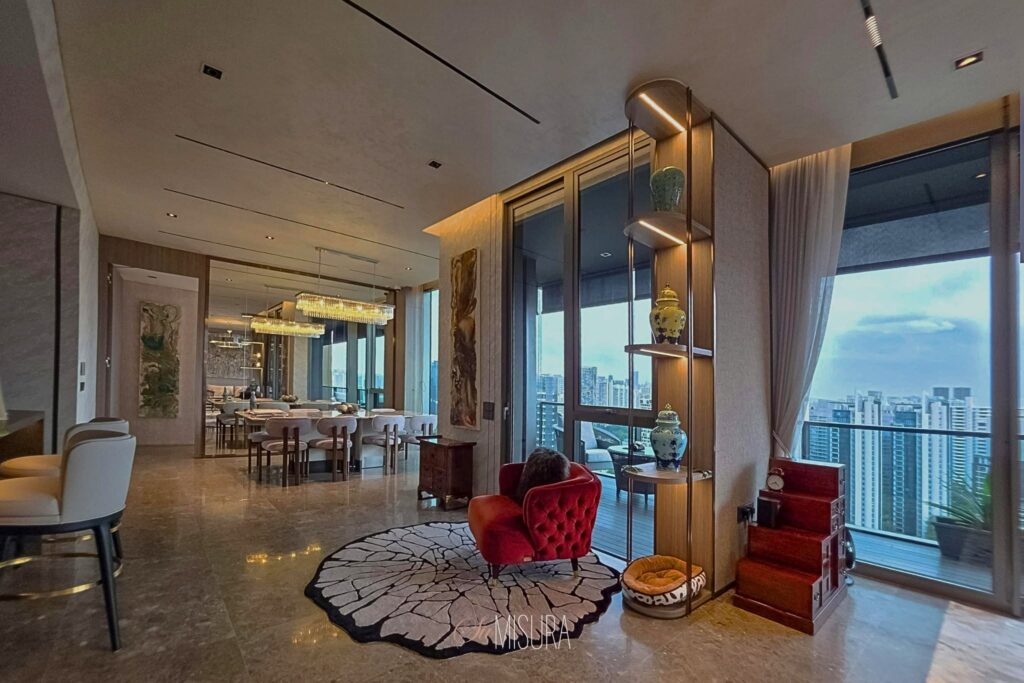
Transforming a high-value property into a lasting architectural statement requires more than following design trends. For discerning homeowners seeking luxury interior design solutions, exceptional interiors are often defined by three interconnected principles: material authenticity, precision craftsmanship, and thoughtful spatial restraint. When these elements form the foundation of a design strategy, a home evolves beyond decoration to become a timeless and highly functional living environment.
The Pillars of Materiality and Execution
- Honouring Material Authenticity and Tactile Luxury
Material selection plays a critical role in shaping the experience of a space. Rather than relying on artificial substitutes, premium interiors often incorporate natural stone, sustainably sourced timber, architectural metals, and carefully selected finishes that offer both visual depth and long-term durability.
A thoughtful approach to materiality considers not only appearance but also how surfaces respond to natural light, ageing, and daily use. This creates interiors that remain relevant and visually appealing for years to come.
- Precision Craftsmanship and Tailored Joinery
The quality of an interior is often revealed through its smallest details. Seamless transitions between materials, flush finishes, concealed hardware, and carefully integrated lighting solutions all contribute to a refined and cohesive environment.
Achieving this level of execution requires close collaboration between designers, craftsmen, and fabricators. Precision joinery and custom detailing help ensure that every element functions as part of a unified design language rather than as individual decorative components.
- The Power of Spatial Restraint and Pure Minimalism
One of the defining characteristics of luxury interiors is restraint. Rather than filling every available surface or corner, thoughtfully designed spaces prioritise balance, proportion, and visual clarity.
Effective spatial planning allows architectural features, materials, and carefully selected furnishings to take centre stage. This approach helps create calm, uncluttered environments that support both functionality and wellbeing while maintaining a sense of sophistication.
Elevating High-End Singapore Formats Through Restraint
The principles of materiality, craftsmanship, and spatial restraint can be applied across a wide range of residential properties. Whether designing a landed home, penthouse, or private residence, the objective remains the same: to create spaces that feel cohesive, comfortable, and enduring. These principles form the foundation of exceptional luxury interior design Singapore homeowners seek when creating homes that balance sophistication with everyday functionality.
In larger homes, thoughtful planning helps balance scale and intimacy, ensuring that expansive interiors remain warm and inviting. Within high-rise residences, careful consideration of layout, sightlines, natural light, and surrounding views can maximise both functionality and spatial experience while enhancing the overall quality of the living environment.
By focusing on quality materials, meticulous detailing, and purposeful design decisions, luxury interior design projects can achieve a timeless aesthetic that remains relevant beyond changing trends. The result is a home that feels considered, refined, and tailored to the lifestyle of its occupants.
Why Materiality Matters in Luxury Interior Design
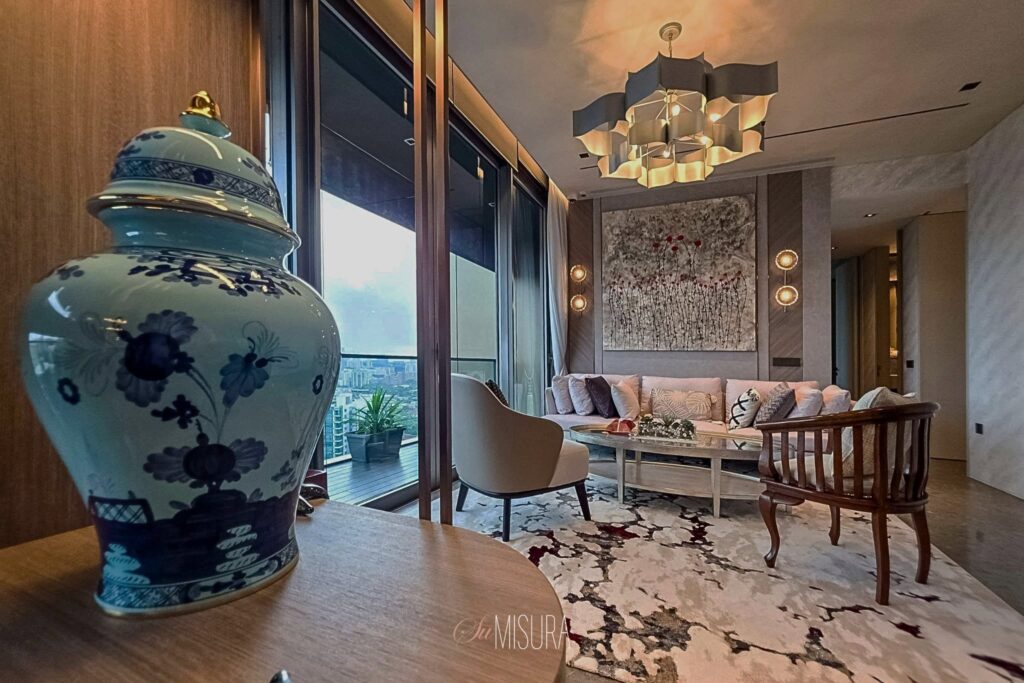
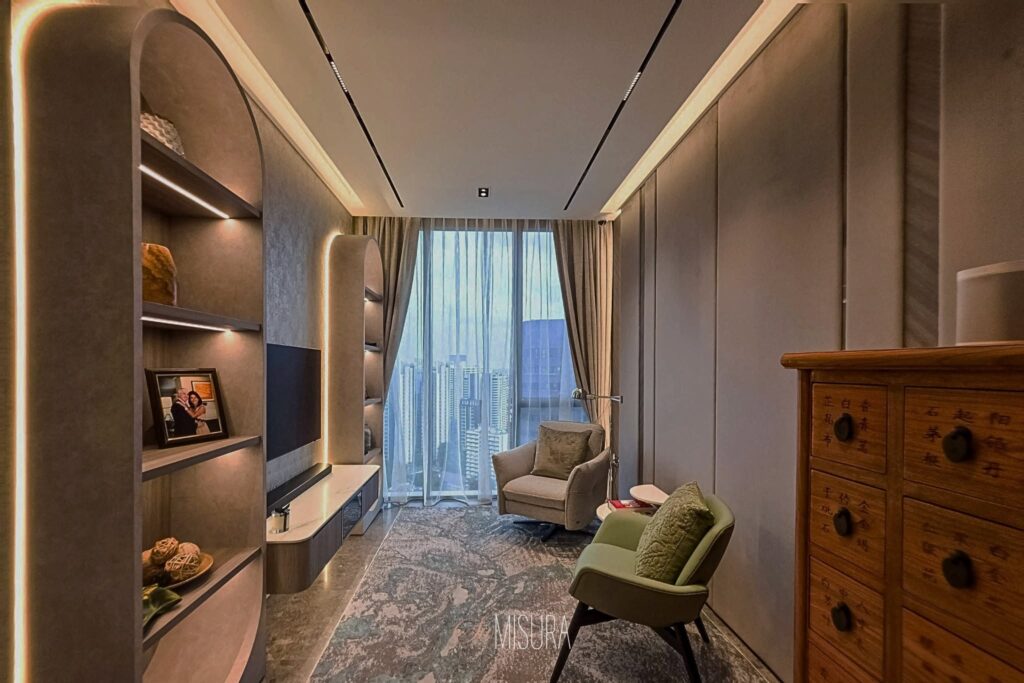
The success of a luxury interior is often determined by the quality of its materials and the way they are brought together. While colours, furnishings, and decorative elements may evolve over time, well-executed material selections and craftsmanship provide a lasting foundation for the home.
Natural stone, timber, metals, and bespoke finishes contribute not only to aesthetics but also to durability, comfort, and long-term value. When combined with thoughtful spatial planning, these elements help create interiors that continue to perform beautifully for years to come.
At SuMisura, we believe exceptional interiors begin with a deep understanding of how materials, craftsmanship, and spatial design work together to support modern living. If you are planning a new home, renovation, or luxury residential project, contact us to explore how a tailored interior design strategy can bring your vision to life.
Frequently Asked Questions:
1. What does spatial restraint mean in modern luxury interior design?
Spatial restraint refers to the intentional practice of creating balance and simplicity within a space. Rather than relying on excessive decoration, it focuses on proportion, material quality, and thoughtful planning to create interiors that feel calm, functional, and visually refined.
2. How does premium custom carpentry validate a firm's level of craftsmanship?
Bespoke custom carpentry demonstrates a firm’s ability to execute complex design details with precision. Features such as concealed storage, flush finishes, integrated lighting, and seamless material transitions often require advanced fabrication techniques and close coordination between designers and craftsmen.
3. Can these residential standards of craftsmanship be seen in developer projects?
Yes. The same principles of material quality, detailing, and spatial planning are often applied to showflats, sales galleries, and developer projects. These environments are designed to communicate a lifestyle vision while demonstrating the quality and functionality of the proposed living spaces.
4. How do these meticulous design standards apply to high-end apartments?
In high-rise residences, careful planning is essential to maximise space, natural light, and functionality. Applying the principles of materiality, craftsmanship, and spatial restraint helps create interiors that feel spacious, cohesive, and tailored to the homeowner’s lifestyle while making the most of the available footprint.