
Choosing a Luxury Interior Designer Worth Your Home’s Vision
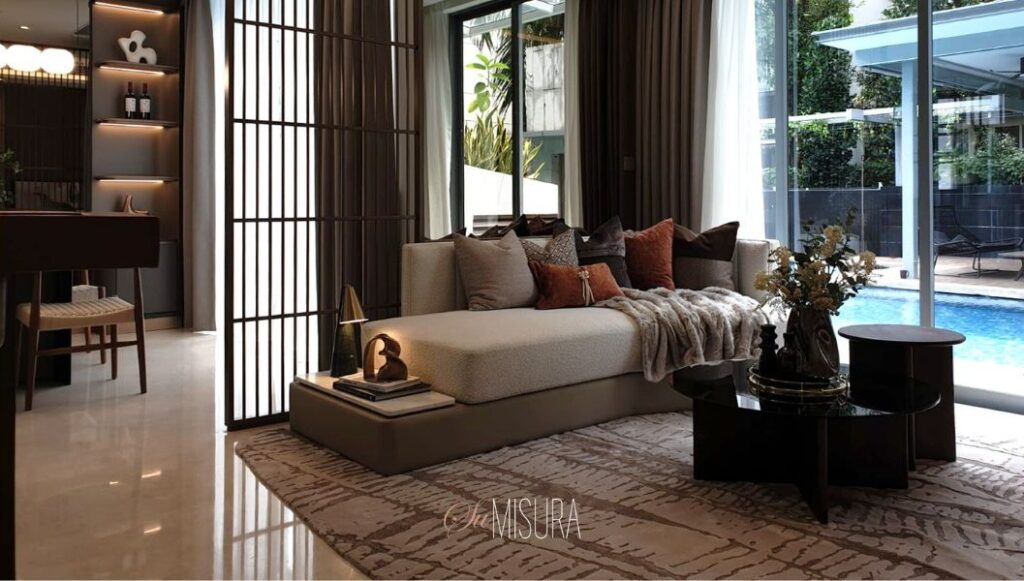
Investing in a premium property is only the first step toward creating an extraordinary living environment. The true transformation occurs when architectural potential meets thoughtful design. Turning an expansive floor plan into a highly tailored sanctuary requires more than decoration—it requires partnering with an experienced luxury interior designer in Singapore homeowners can trust to create a home that reflects their lifestyle while balancing creativity with technical expertise.
What Defines a Luxury Interior Designer in Singapore Today
In the modern real estate market, a true high-end design specialist is defined by a deep understanding of spatial volume, raw material integrity, and structural innovation rather than superficial ornamentation.
Today’s elite design environment focuses on quiet luxury—an approach that values rare materials, bespoke craftsmanship, and custom architectural solutions tailored to the climate and light conditions of the region. A top-tier firm operates as a multi-disciplinary practice, blending architecture, custom joinery, and fine art curation into a single, cohesive vision.
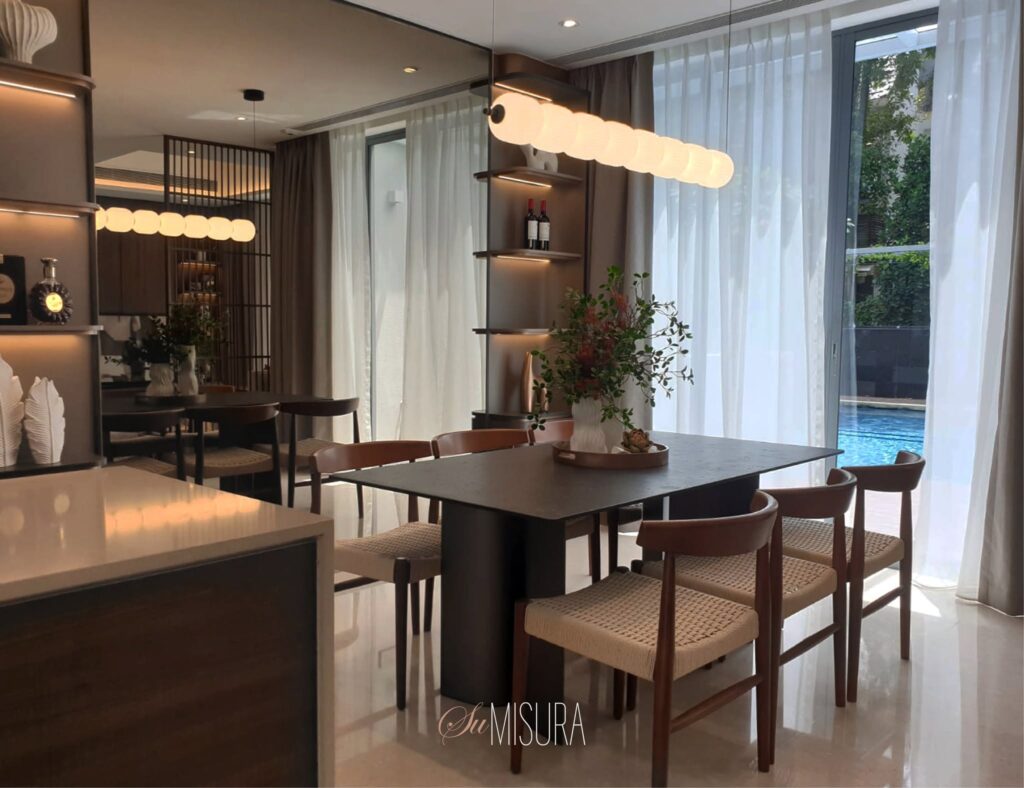
The Value of a Luxury Interior Designer: Shaping Your Home’s Vision
An experienced specialist serves as the primary author of your home’s narrative, ensuring every room balances aesthetic impact with functional purpose. Rather than simply selecting furniture, they manipulate light, adjust structural proportions, and orchestrate visual transitions to create an open, cohesive atmosphere throughout your property.
Understanding the Luxury Interior Design Journey in Singapore
The premium design process requires strict organization, moving from early conceptualization to final structural styling:
- Phase 1: Conceptual Spatial Analysis & Programming – Analyzing the property’s natural orientation, structural constraints, and light patterns to draft optimal layout frameworks.
- Phase 2: Architectural Material Sourcing – Selecting rare stone slabs, sustainable exotic timbers, and architectural metals from global procurement networks.
- Phase 3: Bespoke Engineering & Detail Drawings – Creating detailed, millimeter-precise schematics for custom cabinetry, hidden storage, and recessed lighting paths.
- Phase 4: Site Execution & Craftsmanship Supervision – Overseeing highly skilled artisans and master carpenters on-site to ensure flawless structural joinery.
- Phase 5: Interior Curation & Fine Styling – Final placement of curated furniture, rare textiles, and fine art pieces to complete the living environment.
Benefits of Engaging a Luxury Interior Designer for Your Home
Partnering with an established firm offers significant advantages that go far beyond basic project management:
1.Access to Exclusive Global Sourcing
Premium designers connect you with international artisans, stone quarries, and rare textile mills that are unavailable to the general public.
2.Tailored Structural Customization
Every cabinet, feature wall, and lighting track is designed to fit your home’s exact layout, completely eliminating standard, off-the-shelf components.
3.Seamless Smart-Home Integration
Automated climate control, sound systems, and motorized partitions are integrated directly into the walls and ceilings during the early structural stages.
4.Long-Term Property Asset Protection
High-quality execution and timeless design choices protect and enhance the market value of your real estate investment over time.
Key Factors When Choosing a Luxury Interior Designer Worth Your Home’s Vision
Selecting the right design partner requires a careful, objective evaluation of their technical capabilities and creative history.
Evaluating Portfolio and Signature Style
Review a firm’s portfolio to check if they have successfully executed projects of a similar scale and structural complexity to your own property. Look for versatility across high-end real estate formats, ensuring the firm can comfortably handle expansive landed estates, soaring penthouses, and premium urban apartments.
Real Estate Format Spatial Specializations
Landed Estates
Focuses extensively on maximizing grand structural volumes, orchestrating flawless multi-floor traffic flow, and designing striking, cohesive architectural facades.
Penthouses & Condominiums
Prioritizes framing expansive panoramic views, seamlessly integrating rigid structural columns, and engineered acoustic control to block urban sound.
Flagship Show Galleries
Centres on building high-conversion spatial layouts, crafting immersive brand art experiences, and driving emotional engagement to accelerate developer sales.
Understanding Design Philosophy and Architectural Intent
A great designer does not impose a rigid, repetitive look onto your home. Instead, they share a philosophy rooted in architectural discipline, using proportions, sightlines, and structural balance to bring your unique style to life.
Assessing Materiality, Craftsmanship, and Spatial Restraint
The ultimate test of an elite firm is how they handle materials and empty space. High-end design avoids cluttered, over-decorated rooms, opting instead for spatial restraint—leaving breathing room for fine architecture and custom furniture to stand out.
True quality is found in the clean lines where different materials meet, flush custom carpentry, and completely hidden storage spaces that keep the home clean and organized.
Final Considerations Before Engaging a Luxury Interior Designer
Before signing a contract and starting construction on your property, you must evaluate the studio’s operational workflows and financial transparency.
Choosing the right design partner begins with understanding your goals, lifestyle, and property’s unique potential. Get in touch with SuMisura to explore how our design consultants can guide you through every stage of the journey.
Frequently Asked Questions (FAQ)
1.What operational questions should I ask before hiring a luxury interior design firm Singapore partner?
Before committing to a luxury interior designer in Singapore, ask how the firm manages its design-to-fabrication process. Ensure you ask, “Do you have direct control over your fabrication lines and custom carpentry teams?” True bespoke interiors rely on tailored millwork rather than off-the-shelf components. A professional studio should be able to guarantee that its craftsmen can manufacture joinery to precise millimetre standards on-site.
2. Should I ask an interior design consultant about their commercial and developer track record?
Yes. Asking about a firm’s commercial footprint is an excellent way to verify its technical capability and operational efficiency. A studio that consistently delivers projects for major property developers has demonstrated its ability to handle strict deadlines, complex structural requirements, and high quality standards—experience that also benefits private residential projects.
3. How are fee structures typically managed in a premium residential interior design Singapore project?
A professional interior design firm operates on clear financial terms. Fees generally follow three formats: a flat design fee based on scope, a percentage of the overall construction value, or a milestone-based payment plan. Ensure your contract clearly defines how material cost variations are handled to help prevent unexpected costs during construction.
4.How does investing in a custom home interior design framework protect my capital?
While a tailored layout requires a higher initial investment, approaching your renovation through a custom home design framework transforms your property into an enduring, premium asset. High-quality natural materials, architectural lighting, and thoughtful spatial planning help protect and enhance the long-term value of your home.
5.What is the most critical mistake owners make during early spatial planning?
The most common and expensive mistake is delaying advanced spatial planning interior design until after structural finishes are chosen. Automated smart-home infrastructures, acoustic insulation matrices, climate-control hidden paths, and architectural recessed lighting tracks must be integrated into the initial technical drawings. Waiting too long forces disruptive, costly corrective construction work later on.
6.How do property owners miscalculate requirements for specialized real estate formats?
Many owners assume a standard residential firm can comfortably handle complex properties. In reality, different property types require different design approaches.
- Landed Residences: Large landed homes require careful planning to manage scale, circulation, and the connection between multiple floors while maintaining a warm and cohesive living environment.
- High-Rise Residences: Penthouses and condominiums require specialist knowledge of structural columns, building regulations, panoramic views, and efficient space planning to maximise the potential of the property.
7.Why is it a mistake to decouple heavy construction from home styling services Singapore curation?
When heavy carpentry and the final interior styling are treated separately, the home can feel fragmented. A professional design studio avoids this by providing an end-to-end approach. Once the structural elements are complete, the design team coordinates artwork, textiles, and furniture selections that complement the overall design vision and create a cohesive living environment.
8.Can these exact operational standards be applied to corporate environments?
Yes. Failing to bring residential precision into office environments is a common mistake. Today’s executives increasingly expect workplaces that reflect the comfort and refinement of their private residences.
As a multi-disciplinary practice, we apply our residential expertise to commercial projects by creating workplaces that balance functionality, craftsmanship, and thoughtful design while supporting the needs of modern businesses.