
How High-End Interior Refinement Boosts Property Value
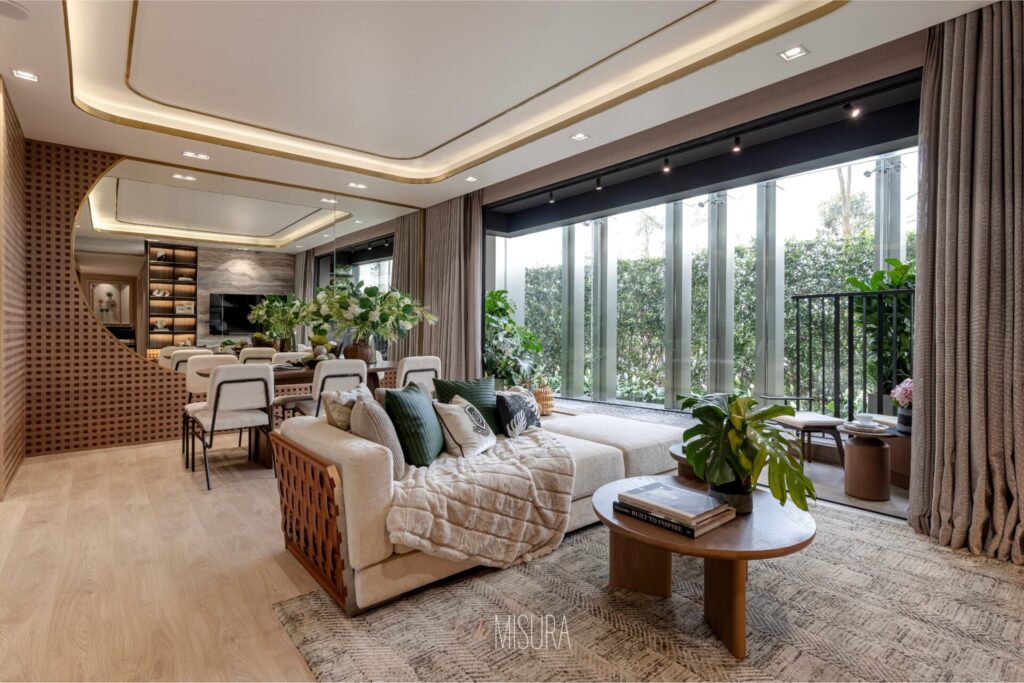
As we move through 2026, residential interior design in Singapore has evolved from a matter of personal taste into a primary driver of property ROI. In the prestigious enclaves of District 9, 10, and 11, savvy investors are no longer simply buying “units”; they are acquiring a luxury home that is move-in ready and masterfully curated by a top interior design consultancy in Singapore.
The "Design Pedigree" Premium
Properties featuring a bespoke luxury interior design by an award-winning interior design studio in Singapore, like SuMisura often command a 15–20% valuation premium over neighboring units. Whether it is a luxury condo or an expansive penthouse, a home with a “designer pedigree” stands out in a crowded resale market.
Global buyers and ultra-high-net-worth individuals prioritize high-end craftsmanship and contemporary luxury interior design over generic renovations. By choosing a recognized luxury interior design firm in Singapore, owners ensure their property is perceived as a “Blue Chip” asset rather than just another residence.
Future-Proofing Through Quality and Craftsmanship
One of the most effective ways to protect long-term property value is by investing in durable materials and timeless design solutions.
An experienced interior design consultant can help homeowners make strategic decisions around layouts, finishes, storage solutions, and material selection. Rather than following short-lived trends, the focus shifts toward creating spaces that remain functional and visually relevant for years to come.
From thoughtful planning to carefully executed detailing, quality craftsmanship contributes to a home’s longevity and enhances the overall ownership experience.
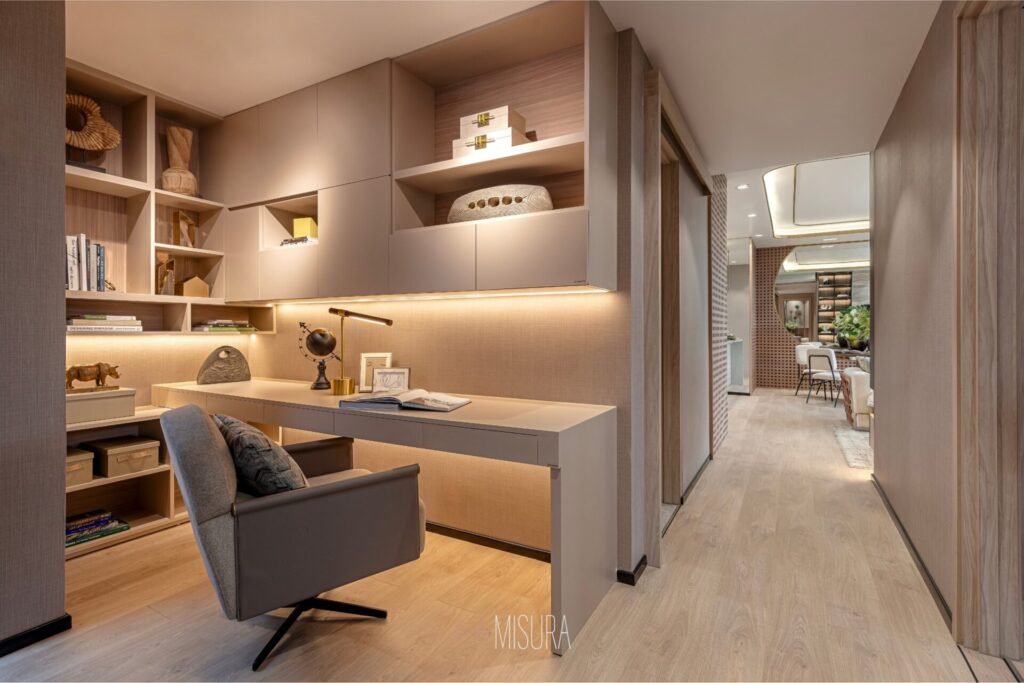
Why Buyers Value Well-Designed Homes
Today’s buyers often place significant value on homes that require minimal renovation or upgrading. Well-designed properties offer a combination of functionality, aesthetic appeal, and practical convenience that can make them more attractive during the resale process.
Features such as efficient layouts, integrated storage, durable finishes, and timeless design elements can help a property maintain its desirability over time while appealing to a broader pool of potential buyers.
Thoughtful residential interior design in Singapore can also help create a stronger emotional connection with prospective buyers, increasing perceived value and market appeal.
Investing in Long-Term Value Through Design
The most successful residential projects are those that balance lifestyle needs with long-term value creation. By prioritising quality, functionality, and enduring design principles, homeowners can create spaces that remain relevant and desirable for years to come.
If you’re planning a renovation or new home project, speak with our team to explore how strategic design decisions can support both your lifestyle goals and property investment objectives.
Frequently Asked Questions:
1. Why does a "SuMisura signature" increase property value in Singapore?
At SuMisura, we believe that a thoughtfully executed bespoke luxury interior design reflects quality craftsmanship, functionality, and timeless appeal. These qualities can enhance buyer perception and make a property more attractive in the resale market.
2. Which design features tend to add the most value to a home?
Features such as quality carpentry, integrated storage, durable materials, efficient layouts, and timeless finishes are often viewed favourably by buyers and can contribute to long-term property appeal.
3. Does spatial planning impact resale value?
Yes. Homes that make efficient use of available space often feel larger, more functional, and easier to live in. Thoughtful planning can significantly enhance buyer perception and overall property appeal.
4. How can homeowners approach a renovation with resale value in mind?
Prioritising timeless design, quality materials, practical layouts, and durable finishes can help ensure that a renovation continues to add value long after it is completed.
5. Are luxury finishes always necessary to increase property value?
Not necessarily. Buyers often respond more positively to quality craftsmanship, cohesive design, and thoughtful functionality than to expensive finishes alone. The overall design strategy is often more important than individual materials.